What Is High Blood Pressure? A Quick, Clear Answer
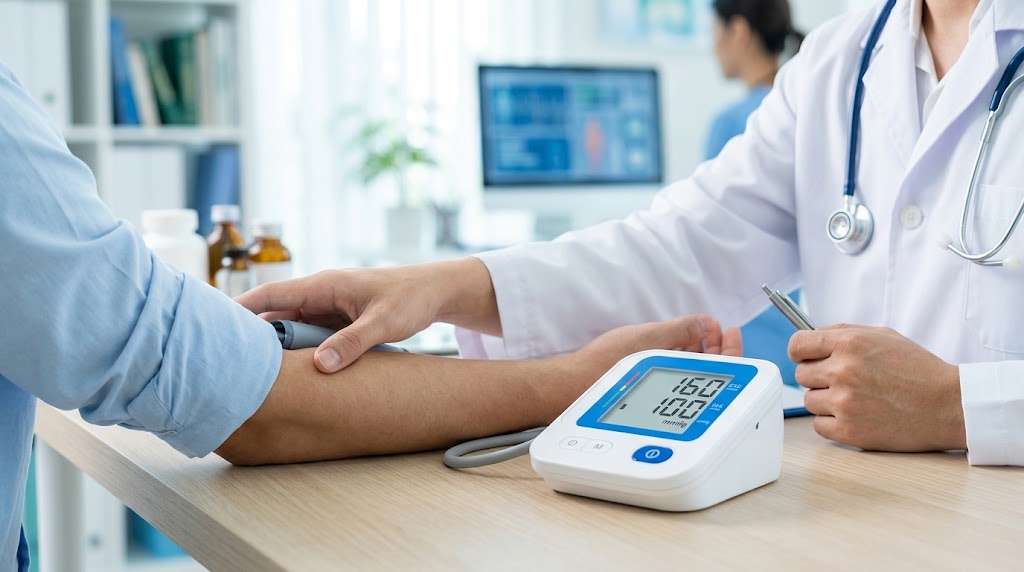
High blood pressure, also called hypertension, is a long-term condition in which the force of blood pushing against your artery walls stays higher than it should. It usually causes no symptoms, so the only reliable way to find it is to measure it. Left uncontrolled, it raises the risk of heart attack, stroke, heart failure and kidney disease. The good news is that it is very manageable with regular monitoring, healthier daily habits and, when needed, medication.
High Blood Pressure Key Takeaways at a Glance
- A normal adult reading is below 120/80 mmHg. A reading of 130/80 mmHg or higher is considered high under American Heart Association categories.
- Most people with hypertension feel completely well, so high blood pressure symptoms are not a dependable warning sign.
- A reading above 180/120 mmHg needs prompt action. Learn the hypertensive crisis warning signs.
- Lifestyle changes help many people, and some people also need blood pressure medications.
- Never start, stop or change a prescribed medicine without talking to your doctor.
What You Will Learn in This Hypertension Guide
- What blood pressure numbers mean
- Normal blood pressure chart
- High blood pressure symptoms
- Hypertension causes and risk factors
- How hypertension is diagnosed
- How to lower blood pressure naturally
- DASH diet for hypertension
- Blood pressure medications
- Hypertensive crisis warning signs
- How to prevent high blood pressure
- Frequently asked questions
Blood Pressure Numbers Explained: Systolic vs Diastolic
Blood pressure is the force of circulating blood against the walls of your arteries. It is written as two numbers in millimetres of mercury (mmHg):
- Systolic pressure (top number): the pressure when your heart contracts and pumps blood out.
- Diastolic pressure (bottom number): the pressure when your heart relaxes between beats.
A reading of 120/80 mmHg means a systolic pressure of 120 and a diastolic pressure of 80.
Your blood pressure naturally rises and falls through the day with activity, stress, sleep, caffeine and medicines. One high reading does not mean you have hypertension. A diagnosis rests on correctly taken measurements, usually on more than one occasion, and a healthcare professional’s assessment.
Normal Blood Pressure Chart for Adults: Ranges by Category
The table below follows the categories used by the American Heart Association. For a deeper explanation of each range, see our full normal bl ood pressure chart guide.
| Category | Systolic (top) | Diastolic (bottom) | |
|---|---|---|---|
| Normal | Below 120 | and | Below 80 |
| Elevated | 120–129 | and | Below 80 |
| Stage 1 hypertension | 130–139 | or | 80–89 |
| Stage 2 hypertension | 140 or higher | or | 90 or higher |
| Severely elevated (seek urgent advice) | Higher than 180 | and/or | Higher than 120 |
Thresholds can differ between guidelines and countries, and your own target may be different depending on your age, medical history and other conditions. Ask your doctor what range is right for you.
High Blood Pressure Symptoms: Why Hypertension Is Often Silent
Hypertension is often called a “silent” condition because most people have no noticeable symptoms, even when their readings are well above normal. Many people only find out during a routine check.
Symptoms can appear when blood pressure becomes severely high, including:
- Severe headache
- Chest pain
- Shortness of breath
- Vision changes
- Weakness or numbness
- Difficulty speaking
These symptoms have many possible causes and cannot be used to diagnose high blood pressure. The takeaway is simple: do not wait for symptoms. Check your blood pressure regularly, especially if you have a family history of hypertension, diabetes, kidney disease or other cardiovascular risk factors. Read more in our guide to high blood pressure symptoms.
Hypertension Causes and Risk Factors: What Raises Your Blood Pressure
There is not always a single cause. Hypertension usually develops from a mix of inherited risk, age, lifestyle and other health conditions. Our detailed article on hypertension causes and risk factors covers each in depth.
Primary (Essential) Hypertension
This is the most common type. It builds slowly over years without one clear cause. Factors linked with higher risk include:
- A family history of high blood pressure
- Increasing age
- A diet high in sodium (salt)
- Physical inactivity
- Excess body weight
- Regular heavy alcohol use
- Poor sleep and certain long-term stressors
Having a risk factor does not mean you will definitely develop hypertension, but it is a good reason to check your blood pressure more often.
Secondary Hypertension
Secondary hypertension is caused by another condition or by a medicine. Possible causes include kidney disease, certain hormonal disorders and obstructive sleep apnoea. Some medicines can also raise blood pressure in certain people, such as some anti-inflammatory pain relievers and decongestants. Do not stop a prescribed medicine on your own. Ask your doctor or pharmacist whether any of your medicines could be affecting your readings.
Lifestyle Contributors
A high-sodium diet, limited physical activity, tobacco use and heavy drinking all add to cardiovascular risk. Improving these habits may help lower blood pressure, although lifestyle changes do not replace medication when treatment is needed.
How Hypertension Is Diagnosed and How to Check Blood Pressure at Home
A healthcare professional generally relies on accurate measurements taken on more than one occasion. Home monitoring or a 24-hour ambulatory monitor may be advised to confirm the result and rule out “white coat” readings that are high only in a clinic.
How to Take an Accurate Home Reading
- Avoid smoking, caffeine and exercise for 30 minutes beforehand.
- Empty your bladder, then sit quietly for at least five minutes.
- Sit with your back supported, feet flat on the floor and legs uncrossed.
- Use a properly sized cuff on your bare upper arm.
- Rest your arm at heart level and do not talk during the measurement.
- Take two readings about one minute apart and record both.
Bring your log and a list of your medicines to your appointment. Your doctor may also check kidney function, blood sugar and cholesterol, because these affect your overall cardiovascular risk.
How to Lower Blood Pressure Naturally: 6 Evidence-Based Lifestyle Steps
Many people can bring their numbers down with everyday changes. These steps work best when they are steady and realistic rather than extreme. For a step-by-step plan, see how to lower blood pressure naturally.
- Cut back on sodium. Much of the salt in a typical diet comes from packaged foods, sauces, restaurant meals and salty snacks. Compare food labels and choose lower-sodium options.
- Eat a balanced, plant-rich diet. Include vegetables, fruit, whole grains, beans, nuts and suitable protein sources. The DASH diet for hypertension is a well-studied example.
- Move more. Regular moderate activity, such as brisk walking, supports heart health. Start gradually if you have been inactive, and check with a healthcare professional before strenuous exercise if you have health concerns.
- Work toward a healthy weight. For people above their healthy weight range, gradual weight loss may help lower blood pressure. Avoid crash diets.
- Limit alcohol and avoid tobacco. Heavy drinking can raise blood pressure and smoking increases cardiovascular risk. Ask for support if you want help cutting down or quitting.
- Protect your sleep. Keep a regular schedule. If you snore heavily, have pauses in breathing at night or feel very tired in the day, ask about sleep apnoea.
Lifestyle changes can make a real difference, but they do not always replace medication. If your doctor has prescribed treatment, keep taking it while you build healthier habits.
DASH Diet for Hypertension: What to Eat to Support Healthy Blood Pressure
DASH stands for Dietary Approaches to Stop Hypertension. It is an eating pattern that has been studied for its effect on blood pressure, and it is not a short-term fad diet. You can read the full plan in our DASH diet for hypertension guide. The core ideas are:
- Fill your plate with vegetables and fruit.
- Choose whole grains over refined grains.
- Include beans, lentils, nuts and seeds.
- Pick lean protein such as fish, poultry and low-fat dairy where suitable.
- Limit salty foods, processed meats, sugary drinks and sweets.
- Use herbs, spices, lemon and garlic to add flavour instead of extra salt.
People with kidney disease or other medical conditions may need individual dietary advice, because some foods that are encouraged on DASH, such as those high in potassium, may not suit everyone. Check with your doctor or a registered dietitian first.
Blood Pressure Medications: Types, How They Work and What to Know
When lifestyle changes are not enough, or your readings and overall risk show that medicine is needed, your doctor may prescribe treatment. Our overview of blood pressure medications explains how each group works. Common groups include:
- ACE inhibitors: help relax blood vessels by affecting a system involved in blood pressure regulation.
- Angiotensin receptor blockers (ARBs): block a hormone that can narrow blood vessels.
- Calcium channel blockers: help relax blood vessels.
- Thiazide-type diuretics: help the body remove excess sodium and water.
The right choice depends on your kidney function, other medical conditions, pregnancy status, possible side effects and the medicines you already take. Some people need more than one medicine to reach their target.
Important: do not start, stop, share or change the dose of blood pressure medicine without medical advice. If you notice side effects, contact your prescriber to discuss options.
Hypertensive Crisis Warning Signs: When High Blood Pressure Is an Emergency
A hypertensive crisis is a severe spike in blood pressure that can damage organs. It is defined as a reading higher than 180 systolic and/or 120 diastolic. Our page on hypertensive crisis warning signs has a printable checklist.
What to do:
- Wait at least one minute and measure again.
- If it is still that high and you have chest pain, shortness of breath, weakness, numbness, vision changes, difficulty speaking or another worrying symptom, seek emergency medical care immediately.
- If it is still that high but you have no worrying symptoms, contact a healthcare professional promptly for urgent guidance.
Do not take extra medication or try to lower the reading rapidly unless a healthcare professional tells you to.
Complications of Uncontrolled High Blood Pressure: Heart, Brain and Kidney Risks
Persistently high pressure strains blood vessels and vital organs. Over time, uncontrolled hypertension can increase the risk of:
- Heart disease and heart attack
- Stroke
- Chronic kidney disease
- Heart failure
- Damage to blood vessels in the eyes
Risk depends on how high your blood pressure is, how long it stays high and your other health factors. Treatment and follow-up can lower that risk, even when long-term medication is needed. If you live with diabetes, keeping blood pressure under control is especially important for protecting your heart, blood vessels and kidneys.
How to Prevent High Blood Pressure: 8 Daily Habits That Lower Your Risk
Not every case can be prevented, but healthy habits reduce risk and support long-term heart health. Our guide on how to prevent high blood pressure offers a simple weekly checklist. In short:
- Check your blood pressure regularly, especially if you have risk factors.
- Choose a balanced diet that is lower in sodium.
- Stay active within your ability.
- Maintain a healthy weight where possible.
- Avoid tobacco and limit alcohol.
- Get enough sleep and seek advice about possible sleep apnoea.
- Attend recommended health checks.
- Take prescribed medicines exactly as directed.
Small, consistent changes are easier to keep than a complete overhaul. A healthcare professional can help you set realistic goals and track your progress.
High Blood Pressure FAQs: Quick Answers to Common Questions
Can you have high blood pressure without symptoms?
Yes. Most people have no noticeable symptoms, which is why regular measurement is the most reliable way to detect it. See high blood pressure symptoms for what to watch for.
What is a normal blood pressure reading?
For adults, the American Heart Association classifies below 120/80 mmHg as normal. Your own target may differ based on health conditions and clinical advice. Use our normal blood pressure chart for the full ranges.
How can I lower my blood pressure naturally?
Reduce sodium, eat more vegetables, fruit and whole grains, stay active, work toward a healthy weight, limit alcohol, avoid tobacco and sleep well. Read the full list in how to lower blood pressure naturally.
Can drinking water lower blood pressure?
Staying hydrated supports general health, but extra water is not a treatment for hypertension. People with heart or kidney conditions may need specific fluid advice from their doctor.
Can lifestyle changes replace medication?
Not always. Some people reach healthy readings through lifestyle changes alone, while others also need medication. Never stop prescribed treatment without speaking to your healthcare professional.
How often should I check my blood pressure?
It depends on your readings, risk factors and treatment plan. Ask your healthcare professional how often to measure and when to report results.
When should I seek emergency help?
Seek emergency care if a repeat reading is higher than 180/120 mmHg and you have chest pain, shortness of breath, weakness, numbness, vision changes or difficulty speaking. Review the hypertensive crisis warning signs so you know what to look for.
Related Blood Pressure and Heart Health Guides
- High blood pressure symptoms
- Hypertension causes and risk factors
- How to lower blood pressure naturally
- Normal blood pressure chart
- DASH diet for hypertension
- Hypertensive crisis warning signs
- Blood pressure medications
- Prevent high blood pressure
Medical Disclaimer
This article provides general educational information and is not a substitute for professional medical advice, diagnosis or treatment. Blood pressure thresholds and treatment decisions vary with individual circumstances and clinical guidance. Consult a qualified healthcare professional about your readings, medicines and personal health needs. Seek emergency care for any symptoms that may indicate a medical emergency.
Sources
This article draws on general guidance from the World Health Organization (hypertension fact sheet), the American Heart Association (understanding blood pressure readings) and MedlinePlus (high blood pressure). Add linked citations here later, when you are ready to include external links.